
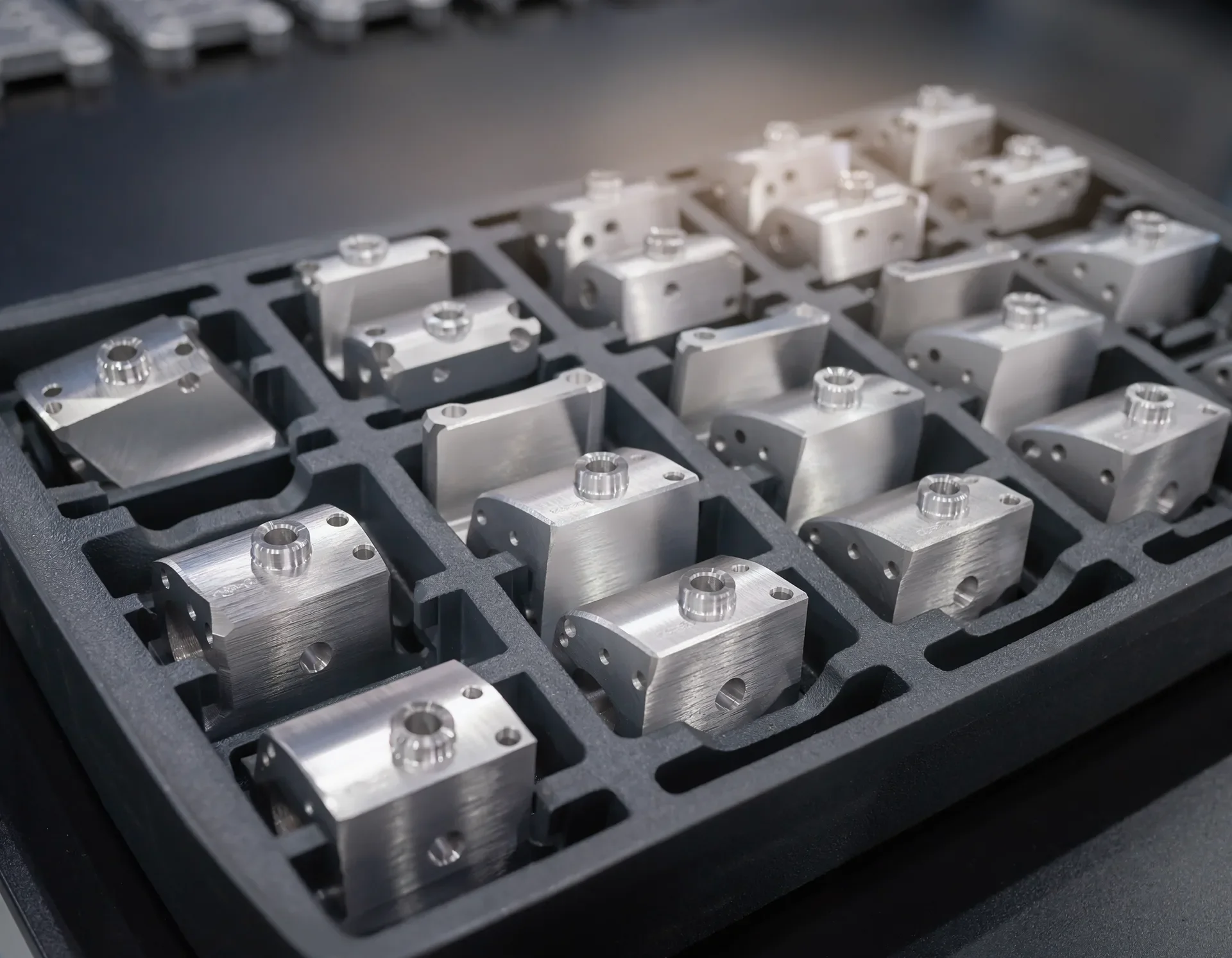
If you’ve spent any time in a machine shop or designing parts, you know that Aluminum 6061-T6 is basically the "Swiss Army Knife" of metals.
It’s the go-to choice for everything from camera housings to aircraft parts because it’s strong, light, and finishes beautifully. But if you’re looking to source these parts from a CNC manufacturer in China, you might be feeling a little nervous about quality or communication.
I’ve been on both sides of the table, and I’m here to tell you that getting high-precision aluminum parts from overseas doesn't have to be a headache. Let’s walk through what you need to know to get perfect parts every time.
The Magic of the "T6" Temper
You’ll often see "6061-T6" on a drawing, but what does that actually mean? The T6 refers to the tempering process, which involves heating the metal and then "aging" it to make it much stronger.
Without that heat treatment, the aluminum is gummy and difficult to cut. The T6 state makes it crisp, allowing us to hit those tight tolerances your design requires.
If you really want to avoid parts warping during the machining process, ask for 6061-T651. This version is slightly stretched after heat treating, which relieves internal stresses so your part stays flat and true.
Is 6061 Always the Best Choice?
While 6061 is the industry favorite, it’s worth checking if another alloy might serve you better.
If you’re building something for high-stress aerospace use, you might consider 7075-T6. It’s much stronger, though it costs more and doesn't resist corrosion as well as 6061.
For my friends in Europe, you might be used to seeing 6082-T6. It’s very similar to 6061, and most Chinese shops can swap between them easily depending on what’s in stock.
Getting the Best Surface Finish
One of the best things about aluminum is how many ways you can finish it. But remember: the smoother the finish, the higher the price tag.
Most standard parts look great with a Bead Blast finish, which gives it a nice matte look and hides any tool marks. If you need it to be tough, go for Type III Hardcoat Anodizing.
If you just want it to look pretty or be a specific color, Type II Anodizing is your best bet. Just make sure to tell your shop if you need specific areas "masked" so they stay conductive!
Design Tips to Save Your Budget
I always tell my clients that a few small changes in the design phase can save a lot of money in production.
First, avoid sharp internal corners. If you can use a rounded corner (a radius), the machine can cut it much faster with a standard tool.
Second, keep your wall thickness above 1.0mm. Aluminum is great, but if the walls get too thin, they tend to vibrate or "chatter" during cutting, which ruins the surface finish.
How to Trust a Partner in China
I know the biggest worry is: "Will I get what I paid for?" To stay safe, always ask for a CMM (Coordinate Measuring Machine) report. This is a digital map of your part that proves every dimension is exactly where it should be before it leaves the factory.
You should also look for a shop that is ISO 9001 certified. This shows they have a real system in place for catching mistakes before the parts ever get put in a box.
Lastly, don't just rely on a standard NDA. Ask for an NNN agreement (Non-Disclosure, Non-Use, and Non-Circumvention) that is actually enforceable in Chinese courts to keep your intellectual property safe.
Wrapping it Up
Sourcing Custom Aluminum 6061-T6 parts doesn't have to be a gamble. When you find a partner who understands the metallurgy and the "Design for Manufacturing" (DFM) side of things, it becomes a competitive advantage for your business.
If you have a design you're working on, feel free to reach out. We love looking at CAD files and suggesting ways to make them easier—and cheaper—to build!